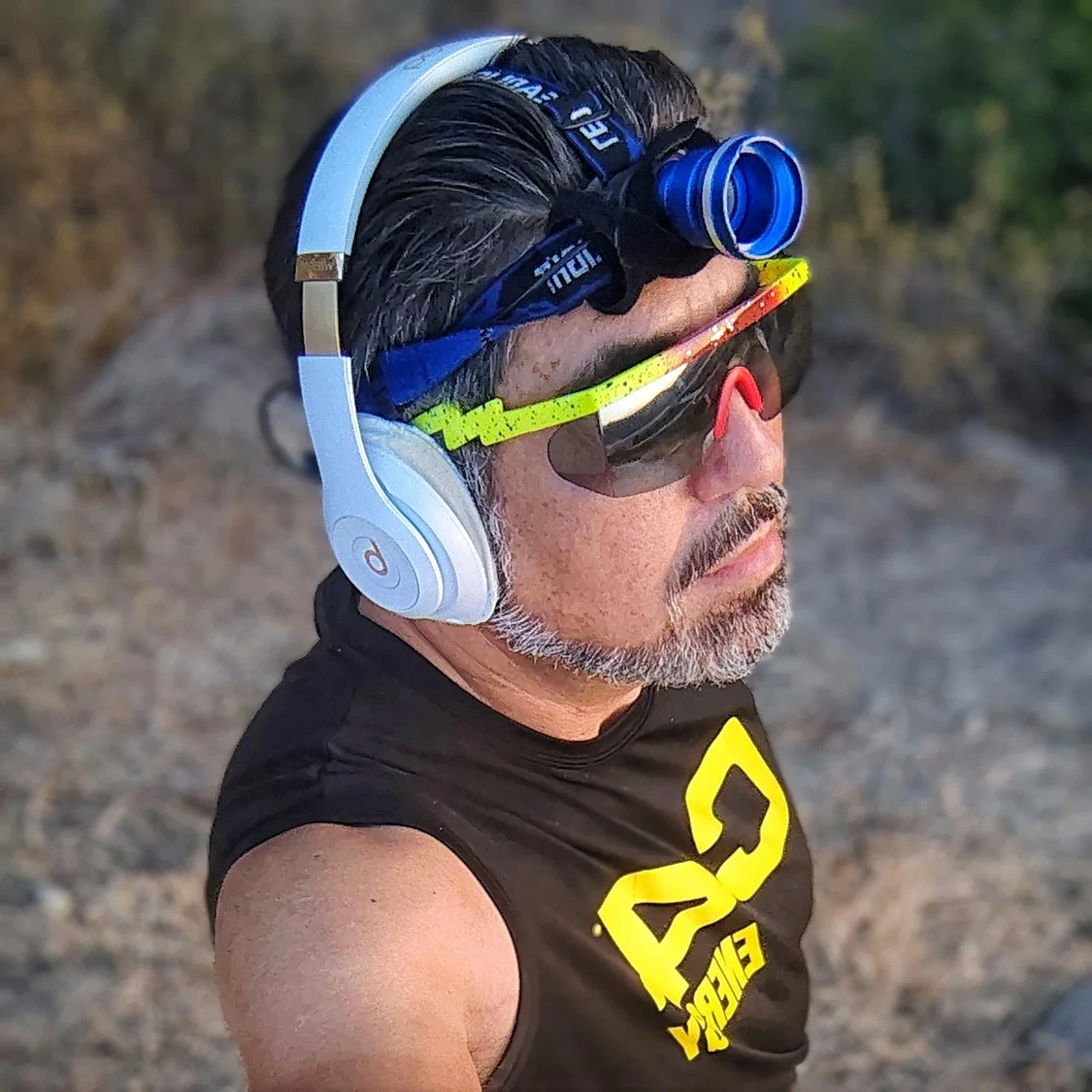
Night hiking changes the relationship with gear. In daylight, a headlamp can feel like one more thing in the pack. After dark, it becomes part of how you understand the world in front of you.
That shift is why I respect equipment that works. Not because gear makes the hiker, but because the right tool can preserve judgment when conditions become more demanding. Light, layers, traction, water, communication—none of it is glamorous when it is doing its job correctly.
This photograph feels almost technical to me. The headlamp is visible. The headphones are visible. The glasses are visible. The face is turned away from the camera and toward whatever comes next. It looks less like a portrait and more like a system being used.
I like that. Outdoor confidence should be built from habits, not costumes. Know what the equipment is for. Know its limits. Test it before you depend on it. Carry backups when the consequence of failure deserves one.
And then, once everything is ready, enjoy the night. Darkness can make a familiar trail feel completely new. The world gets quieter. The beam creates its own moving stage. Every safe step feels deliberate.
Built for the Dark is really about readiness. The gear matters, but the larger point is the mindset behind it: prepare before the need becomes urgent, then move forward with enough calm to let the night be beautiful instead of frightening.